12 Companies That Are Leading The Way In Locksmith Auto Key


How to Unlock Your Car Without a Locksmith
It's not pleasant to lock your keys in your car. This happens most often when you need to be.
Luckily, a locksmith can assist. The process is more complex than simply cutting a new key and programming it into your vehicle. You will need to be able to prove ownership your car before you can do this.
Transponder Keys
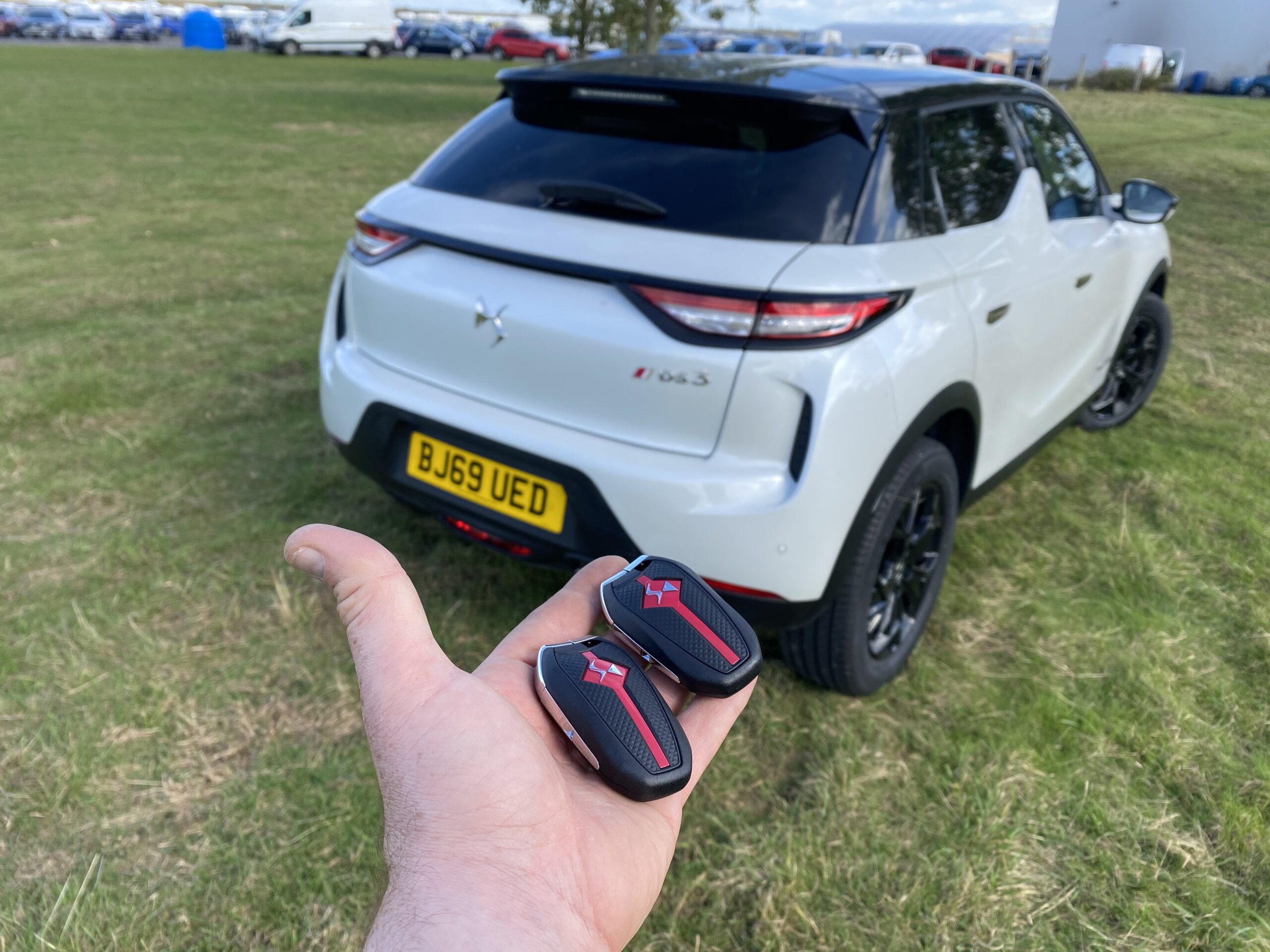
As a measure to prevent theft Many modern automobile manufacturers have adopted transponder keys as a part of their key system. The benefit of these keys is that they stop people from duplicate keys without the assistance of specialist tools. The keys also have an electronic chip that transmits radio frequency signals to the immobilizer, ensuring that only keys with a valid license can start your car. However, it is essential to know if your vehicle uses a transponder keys or not so that you can make the correct choice. You can check this by contacting a professional automotive locksmith and asking them for the year model, model, and make of your car.
Transponder keys consist of a microchip with a unique digital serial that authenticates original and duplicate keys. It also transmits low-level radio signals that activate only when the key is close to the dashboard or into the ignition to start the car. The signal isn't transmitted when the key is in another position and cannot be detected by scanners or by radio transmitters.
If you have an auto key with a transponder It is important to remember that it can only be copied by a licensed auto locksmith or your dealer. If you attempt to copy the key yourself it will likely not work and could even harm your immobilizer system. A car key that does not have a transponder can cause malfunctions as well as permanent damage.
This doesn't mean that your car is more secure than one without transponder keys. Car thieves have been known to find ways to evade even the most advanced security system. In reality, the majority of car thieves nowadays are highly educated and have the most advanced technology to ensure that they are able to steal a car, regardless of whether it has a transponder keys.
Lost Keys
They are light and small, making them easy to lose. They can also snap off in locks due a natural wear or because they get stuck on something unexpectedly. This can make it difficult to start the car, and you may need to contact a professional to remove the key.
Locksmiths can typically unlock your car without issue, and they'll typically accomplish this for less than you think. Most auto locksmiths can pull your key out of a lock for about $20, which is a lot cheaper than the cost to replace the entire lock.
They can also create a new key for you, even if don't have the original to hand. However, this process takes longer as they need to modify the car's system with special equipment. They'll also require your VIN number or key identification number, which you could find in your manual or can find out from the manufacturer of the car.
If you're prone losing things, you might need to designate a specific space for your keys, like the kitchen drawer or your coat pocket. So, you won't need to worry about a lost key, and you'll have a convenient way to keep track of your belongings.
It's also a good idea to carry around a phone equipped with a GPS application that can help you find your way back home. This can be particularly useful when you're at risk of getting lost, and could be helpful if you break down or run out of gas. Another option is to look into pay-per-mile car insurance from companies like Metromile which could help you save a lot of money on your vehicle insurance. You pay a fixed monthly fee plus a few cents per mile. This ensures that you are protected in the event of an emergency. You can compare rates with other providers to see which one is most suitable for you.
Locked Out
It's among the most frustrating feelings in the world to return to your car after a long day only to discover that your keys locked inside. Although it may feel like you're helpless however, there are a few options you can try to open your car yourself before calling a locksmith. If you have the trunk lock or keypad, you can try them out first. If that fails, try reaching through the window or using a device such as a Slim Jim (provided you have an extra key nearby). Another option is to call roadside assistance. Many automakers provide this service, as do third-party companies. These services can take a bit longer to arrive but are cheaper than a professional locksmith.
If you require locksmith services, make sure to choose a locksmith that is MLA-approved. This means they've been vetted and inspected to ensure they're qualified to do the job. You can also look up online reviews to find out what people's opinions about the company. It's best to select the services of a local locksmith when you can. They can offer suggestions on how to increase your security at home. They can, for example suggest installing locks that are harder to break or rekeying locks that are in use to work with a different key.
If you do lock your keys in your car, the locksmith can rekey the lock so it can work with a different key, or even the original one that was lost. This is a much less costly option than replacing the entire lock, and will save you time and money.
The best method to avoid this issue is to prepare for the future. If you know you will likely lock your keys inside your car, leave a spare with a trusted family member or friend. Then, you can get inside your car without having to wait for a locksmith or paying costly roadside assistance charges. You can also subscribe for an emergency roadside service or an automaker app that offers on-demand assistance. Then, they'll send a technician to your location within a matter of hours or more, and you'll be in your way.
Broken Keys
It can be quite frustrating when a key breaks in a lock. There are auto door lock repair that you can try, but the best option is to contact a locksmith. They have the tools and experience to take out a damaged lock without causing further damage.
A key may snap inside the lock if it is not properly maintained. Injecting and removing keys frequently could weaken the structure of the key and wear out its ridges. Keys can be damaged if you apply too excessive force to turn or unlock it. Utilizing a silicone-based lubricant on the lock cylinder can aid in preventing this from happening in the near future.
The most important thing to keep in mind when dealing with a broken key is to remain calm and not get overwhelmed. The act of yanking on a stuck key can cause it to get stuck even more and could also push the broken part further into the lock. Instead, gently jiggle or twist the key in both directions. If the key is stuck, add a little oil.
In the event that the key is buried in the lock cylinder, you can use needle-nosed pliers to reach inside and grab the damaged piece. This technique requires some skill and patience, but it can be successful if pliers are appropriately sized for this task. Avoid using tweezers as they are too thick and can push the broken part of the key deeper into the lock.
A paperclip can be used to grasp the broken portion of the key, and then push it out of a lock. This method is best when lubricant has been used, and is much easier to accomplish if the damaged part of the key is pushed far enough out to be able to be grasped by pliers.
If none of these approaches work, you can always try a pair of specialized key extractors. They're designed like a small drill and can be inserted into the cylinder of the lock, which is where they grab the key fragment and begin pulling it out. This procedure should be carried out in a secure area with a neighbor you trust.